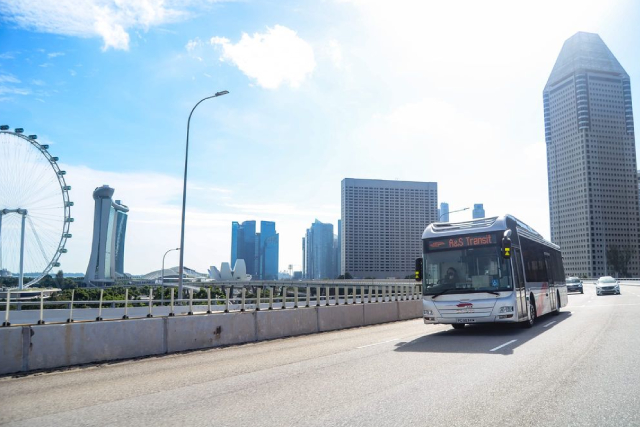
Getting workers to and from their job sites safely and on time is not just a logistics task. It directly affects productivity, morale, and even workplace safety. Whether you are managing a construction site, shipyard, factory, or large facility, reliable daily transport plays a bigger role than many people realise.
A well-managed fleet, especially one built around a 40-seater bus, can make daily operations smoother and more predictable. When transport runs efficiently, teams start work on time, supervisors spend less time troubleshooting, and companies avoid unnecessary delays.
Here is how to approach daily worker transport in a practical and people-first way.
Why Daily Worker Transport Matters More Than You Think
Worker transport is often treated as a background service. As long as the bus arrives, it is considered “done”. But the reality is more complex.
Late arrivals can disrupt shift changes, overcrowded vehicles can leave workers feeling uncomfortable and frustrated, and poorly planned routes can drive up fuel costs while increasing driver fatigue. Left unchecked, these small issues quickly add up.
A structured transport system:
- Reduces absenteeism caused by unreliable commuting
- Improves punctuality across shifts
- Supports worker safety during early morning or late-night travel
- Builds trust between management and employees
When workers know their ride will arrive on time every day, they start their shifts calmer and more focused.
Why a 40-Seater Fleet Is a Practical Choice
Many companies debate between smaller vans and larger coaches. A 40-seater bus often strikes the right balance for daily worker transport.
It is large enough to move an entire team in one trip, yet compact enough to navigate industrial roads, dormitory areas, and city routes without difficulty.
Some key advantages:
1. Efficient Capacity Planning
Instead of sending multiple smaller vehicles, one 40-seater bus can transport an entire crew in a single journey. This reduces coordination complexity and fuel usage.
If your site runs staggered shifts, two or three buses rotating through routes can cover a significant workforce efficiently.
2. Lower Per-Head Transport Costs
When transport is shared across more passengers, the cost per worker decreases. This is especially useful for long-term contracts where daily transport runs for months or even years.
3. Better Team Cohesion
Workers travelling together tend to build camaraderie. It may seem small, but shared daily commutes often strengthen teamwork on-site.
Planning Routes the Smart Way
Route planning is the backbone of any transport system. Without proper planning, even the best fleet will struggle.
Here are practical steps to consider:
Map Out Worker Pick-Up Clusters
Group pick-up points by location. Dormitories, residential estates, and common meeting points should be consolidated logically to minimise detours.
Account for Traffic Patterns
Early morning traffic can differ from evening congestion. Plan buffer time realistically rather than optimistically.
Avoid Overlapping Routes
If you operate multiple buses, ensure routes do not duplicate unnecessarily. Overlapping wastes fuel and time.
Review Regularly
Worker housing locations may change. Projects may shift. Conduct periodic reviews to keep routes optimised.
Prioritising Comfort and Safety
Transport is not just about moving people from point A to B. It is about ensuring they arrive safely and comfortably.
A well-maintained 40-seater bus provides:
- Proper seating and spacing
- Air-conditioning suitable for Singapore’s climate
- Clear entry and exit points
- Safe driving standards
Drivers also play a major role. Experienced drivers who understand industrial routes and safety protocols contribute significantly to a smooth operation.
Regular vehicle inspections and scheduled maintenance prevent breakdowns that could disrupt entire workdays.
Choosing the Right Bus Type
Capacity is important, but suitability matters too. Selecting the right bus type for worker transport depends on factors such as:
- Distance travelled daily
- Number of pick-up stops
- Site access conditions
- Budget constraints
- Contract duration
A consistent fleet type, such as 40-seater buses across all routes, simplifies maintenance schedules and operational planning.
Managing Shift-Based Transport
Many industries operate on rotating shifts. Morning, afternoon, and night shifts require careful coordination.
Here is how to manage them effectively:
Create a Clear Timetable
Workers should know their exact pick-up time. Avoid vague windows such as “around 6am”. Precision prevents confusion.
Allow Realistic Buffer Time
Unexpected traffic or minor delays happen. Build reasonable buffers without making workers wait excessively long.
Communicate Changes Early
If a shift time changes, inform transport providers as early as possible. Last-minute adjustments are harder to accommodate.
Reducing Administrative Burden
Transport coordination can quickly become overwhelming without structure.
To streamline management:
- Assign a dedicated transport coordinator
- Maintain updated passenger lists
- Track attendance by route
- Document feedback from workers
Clear communication between HR, site supervisors, and the transport provider ensures fewer misunderstandings.
Handling Peak Workforce Periods
Some projects require temporary workforce increases. During peak construction phases, manpower may double.
Instead of scrambling for ad hoc vehicles, plan scalable solutions in advance. A transport partner with a sizeable fleet can deploy additional 40-seater buses when required.
Scalability ensures continuity without sacrificing comfort or safety standards.
Addressing Common Challenges
Even well-managed systems face challenges. Here are common issues and practical responses:
1. Workers Missing the Bus
Set clear policies. A grace period may be allowed, but habitual lateness should be addressed internally.
2. Changing Pick-Up Points
Require advance notice before adjusting routes. Frequent last-minute changes disrupt scheduling.
3. Vehicle Breakdowns
Work with providers who have standby buses available. Backup vehicles prevent operational downtime.
4. Rising Fuel Costs
Long-term contracts with fixed pricing structures can protect your budget from fluctuations.
The Long-Term Value of Reliable Transport
Reliable worker transport is not just an operational necessity. It is an investment in stability.
When transport runs smoothly:
- Supervisors spend less time resolving complaints
- Workers feel valued and respected
- Projects maintain consistent timelines
- Companies protect their reputation
Poor transport management, on the other hand, leads to frustration, delays, and avoidable costs.
Over time, structured daily transport using a consistent 40-seater fleet supports both efficiency and workplace harmony.
Partnering with an Experienced Transport Provider
Managing your own fleet requires significant resources: vehicle purchases, maintenance teams, driver recruitment, insurance, compliance checks, and scheduling.
For many companies, partnering with a professional transport provider is more cost-effective and far less stressful.
An experienced provider understands:
- Industrial transport requirements
- Safety regulations
- Route optimisation
- Large workforce coordination
- Contingency planning
They also bring operational expertise that helps prevent small problems from escalating into major disruptions.
Conclusion
Daily worker transport affects far more than arrival times. It shapes productivity, morale, safety, and overall project efficiency. A structured fleet built around 40-seater buses offers practical capacity, cost efficiency, and operational simplicity.
When routes are planned thoughtfully, safety is prioritised, and communication is clear, transport becomes one less thing to worry about.
If you are looking for a dependable partner to manage your worker transport needs professionally and efficiently, speak to A&S Transit. Our experienced team can help you build a reliable system that keeps your workforce moving smoothly every single day.